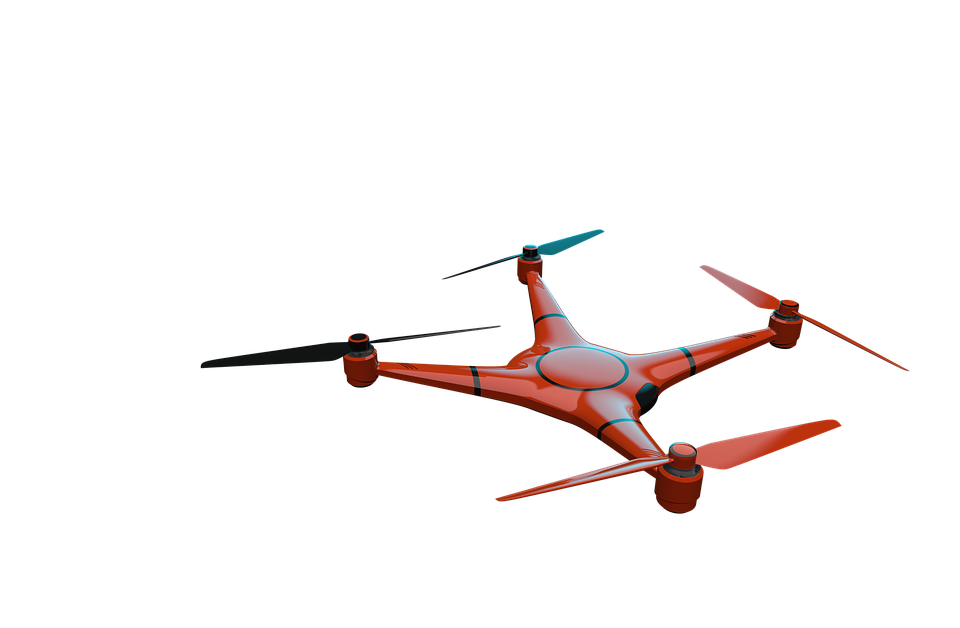
The advancement of drone technology has brought about significant changes in the field of aerial photography, surveying, and emergency response, among others. However, one of the biggest challenges facing the industry is the ability to support fully autonomous navigation, where drones can operate without human intervention. To overcome this challenge, artificial intelligence (AI) has been introduced to drone technology to enable autonomous navigation and overcome human limitations.
Drone AI, also known as a drone brain or machine learning algorithms, refers to the computer systems and programs that are used to enable drones to navigate independently. AI uses cameras, sensors, and other imaging technologies to capture the necessary data from the environment, process it, and then make decisions regarding the movement of the drone.
One of the primary benefits of using AI in drone technology is that it enables safe and efficient flights. With the ability to interpret sensory data from the environment, drones can avoid obstacles, make adjustments to their flight path, and even land safely during emergencies. This eliminates the need for human intervention, which can be beneficial in areas where it is unsafe or impossible for humans to access.
Another benefit of drone AI is its ability to map terrain in real-time. By using advanced algorithms, drones can create high-resolution maps of the terrain, which can be used in various industries such as cartography, oil and gas exploration, and land management.
Drone AI technology also comes with the added advantage of cost savings. The cost of operating drones with artificial intelligence is much lower compared to traditional piloted drones. It reduces the need for skilled pilots, and when combined with sensors and cameras, it eliminates the need for additional manpower required in tracking and monitoring the environment.
However, the use of AI in drone technology is not without challenges. Issues such as cybersecurity, data management, and privacy concerns need to be addressed. It is crucial to ensure that unauthorized individuals do not gain access to sensitive data from drones.
In conclusion, the integration of artificial intelligence in drone technology has revolutionized the way drones are used in various industries. Safe and efficient autonomous flights have become a reality, reducing the need for human intervention, lowering the cost of operation, and allowing drones to perform tasks where human access is limited. While challenges remain, the use of AI is an exciting development that promises to deliver significant benefits to the industry in the long term.