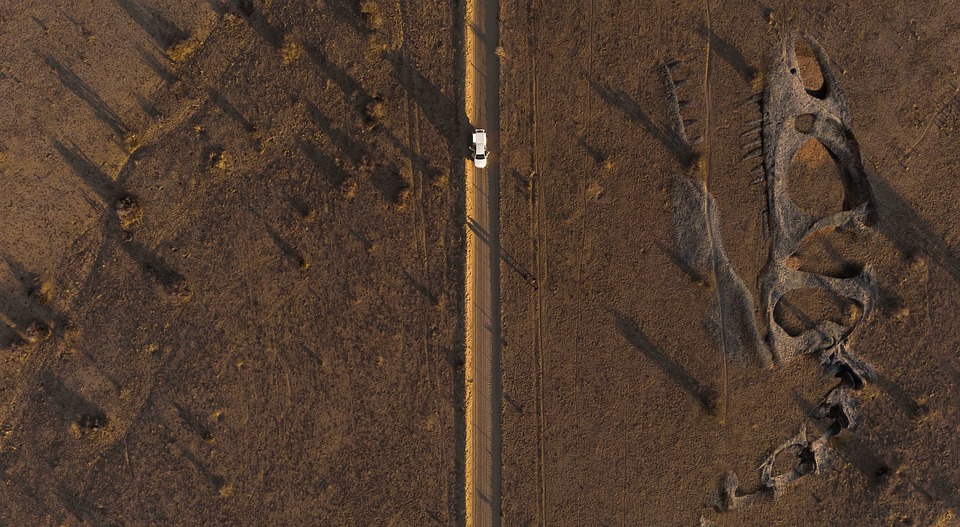
Unmanned aerial vehicles (UAVs), popularly known as drones, have created a buzz in the past few years. With their increasing popularity and technological advancements, UAVs are now used in various fields, including photography, agriculture, transportation, and even military operations.
One of the main advantages of UAVs is their ability to access areas that are difficult to reach by humans or other forms of transportation. For example, UAVs can be used in search and rescue operations to locate missing people in disaster-stricken areas, such as earthquake or hurricane-hit regions. UAVs equipped with thermal cameras can also be used in firefighting operations, as they can detect hot spots that are invisible to the naked eye.
Agriculture is another field that has benefitted from the use of UAVs. Farmers can use UAVs to monitor crops, measure fields, and identify areas that require additional fertilization or irrigation. With the use of aerial imagery captured by UAVs, farmers can improve crop yields and allocate resources effectively.
Construction companies are also exploring the potential of UAVs in their operations. UAVs can generate 3D maps of construction sites, analyze progress, and detect potential safety hazards, making construction processes more efficient and cost-effective.
The transportation industry is also exploring the potential of UAVs to transport goods and people. Companies like Amazon and Google are experimenting with drone delivery services, which would make online shopping more convenient and efficient. UAVs can also be used in surveying and mapping of large infrastructure projects, such as highways, bridges, and pipelines, saving time and reducing costs.
In the military, drones have been widely used for surveillance and reconnaissance missions. UAVs have the ability to collect intelligence data, monitor enemy movement, and conduct targeted strikes, reducing the risk of human casualties.
However, the use of drones has also raised concerns about privacy and airspace regulations. As UAVs become increasingly affordable and accessible, it is important to establish guidelines and regulations to ensure their safe and responsible use.
In conclusion, the potential of UAVs is vast and varied. From search and rescue missions to transportation, agriculture, and even military operations, UAVs have the capability to transform the way we work and live. However, it is crucial to balance the benefits of UAVs with concerns about privacy, safety, and regulation, to ensure a responsible and ethical use of this technology.