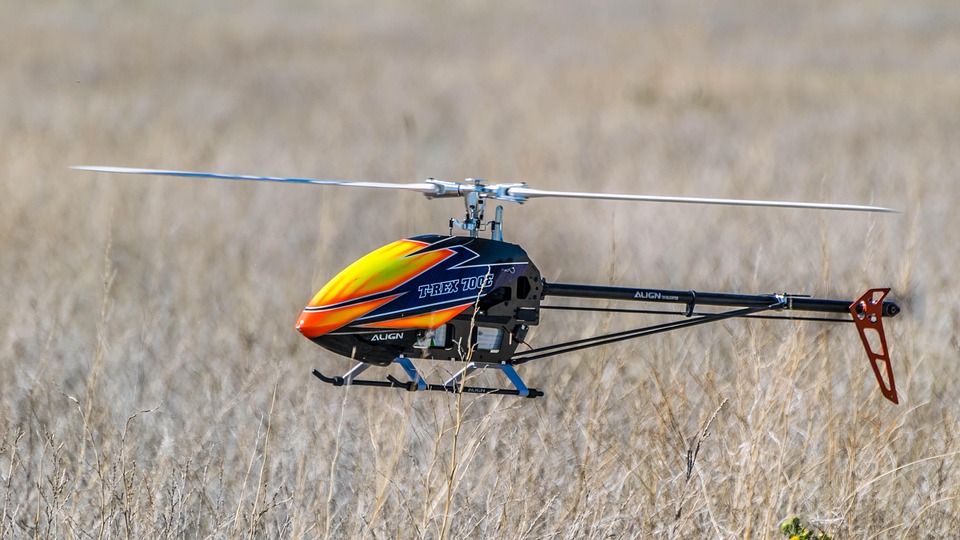
The integration of drone technology in education curricula is gaining popularity globally. Drones, also known as unmanned aerial vehicles (UAVs), have revolutionized various industries such as agriculture, photography, and even delivery services. Drones are also quickly penetrating educational institutions, offering new ways to teach and learn. The idea of integrating drones in education is to equip students with skills that will prepare them for future careers that require drone technology.
The use of drones in education is not only fascinating for students but also an excellent way to teach several subjects. Some of the areas that drone technology can be used in include geography, mathematics, science, engineering, and art. One of the key benefits of drone technology in education is the opportunity to teach hands-on skills. Students get to learn by doing, and this approach is proven to be more effective than passive learning.
One of the ways in which drones are used in education is through STEM (Science, Technology, Engineering, and Mathematics) programs. Students can design, build, and program drones as part of the STEM curriculum. They can also use drones to conduct experiments and collect data. The use of drones in science classes provides students with an opportunity to collect data in real-time, which is useful in data analysis.
Drones can also be used in geography and social studies classes. Students can use drones to study the land features, cities, and towns from above. They can also study different ecosystems and how humans impact them. Drones can also be useful in history classes, where students can use them to explore historical sites, landmarks and get a bird’s eye view of the location.
Digital literacy is another critical skill that students gain from learning about drone technology. They learn to use technology to solve problems, analyze data, and use software programs. Students also learn the ethics of using the drone technology and potential risks associated with drones.
The use of drone technology has enormous potential in education. However, to realize its full potential, teachers need to be trained to use drones effectively in the classroom. This may require teachers to take specialized courses that will equip them with the necessary skills to teach students about drone technology.
Education institutions can also benefit from partnerships with organizations that specialize in drone technology. Such partnerships will provide teachers with the necessary training and resources to teach students about drone technology.
In conclusion, using drones in education is an exciting opportunity to transform the way we teach and learn. Drones offer a practical approach to learning, providing students with hands-on skills that are useful in the job market. Integrating drone technology in education curricula is a step towards preparing students for the future workforce. Educators must embrace this technology to help students become innovators and creators in the 21st-century world.