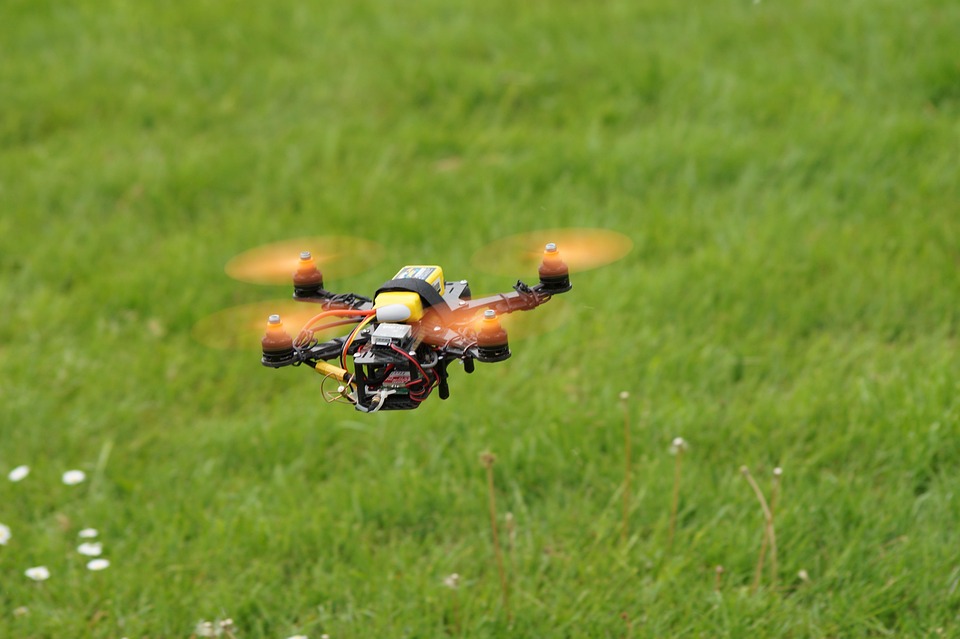
Drones have made a solid contribution to various applications, including aerial photography, delivery, and surveying. They have also been used in search and rescue operations, inspection of infrastructure, and more. However, with the rise of artificial intelligence and telemedicine, drones are finding their way into healthcare.
Drone-based care for healthcare providers is transforming the way medicine is delivered and accessed. The use of drones for medical care is a groundbreaking innovation in healthcare, and it has already proven its worth through several applications.
Drones are serving as medical couriers for delivering time-sensitive or critical medical supplies to remote areas. This is particularly beneficial for rural and remote locations where medical facilities and resources are scarce. Drones can transport medical equipment, blood, and medications quickly and safely, improving patient outcomes and emergency care delivery. Additionally, drone-based medical deliveries are not affected by traffic or other forms of transportation-related delays.
Drones can also be used to provide telemedicine services in remote areas. Physicians can use drones to provide remote consultation and prescribe medications without requiring patients to leave their homes. The use of drones in telemedicine can improve access to healthcare in remote areas or during emergencies when medical facilities are inaccessible.
A notable example of drone-based care in healthcare is the delivery of organ transplants. Drones can transport organs from donors to recipients, significantly reducing transportation time and ensuring that the organs remain viable for transplant.
Drones equipped with artificial intelligence and digital image analysis algorithms can also be used for diagnostic imaging. These AI-powered drones can capture high-resolution images and transmit them to physicians, allowing them to diagnose and treat patients remotely.
However, despite the benefits, there are still challenges that need to be addressed for drones to become a standard in healthcare delivery. Regulatory and safety issues remain significant roadblocks to realizing the full potential of drone-based care for healthcare providers. Safety measures and regulations are necessary to ensure that drone-based healthcare services can be delivered safely and within ethical guidelines.
In addition, the costs associated with drone-based care services, such as the initial investment in drones and infrastructure, prohibit widespread adoption by healthcare providers. The need for highly trained pilots and supporting ground staff results in added operating costs.
Overall, drones have the potential to revolutionize healthcare delivery. As technology continues to advance and regulatory challenges are overcome, we expect to see more healthcare providers taking advantage of drone-based care services. While there is no doubt that implementing drones into healthcare delivery will be a lengthy process, the outcomes will have a substantial impact on enhancing patient care and improving health outcomes for individuals across the globe.