Drones have seen a remarkable transformation over the years, evolving from simple remote-controlled toys to high-tech flying machines equipped with advanced camera capabilities. These drone cameras have come a long way, revolutionizing industries such as film-making, aerial photography, agriculture, and even search and rescue operations. In this article, we will take a closer look at the evolution of drone cameras, highlighting the key milestones that have shaped their development.
The early days of drone cameras were characterized by crude imagery and limited functionality. They were bulky, heavy, and often required a skilled operator to maneuver them. These early versions predominantly served military purposes, such as surveillance and reconnaissance missions. However, as technology progressed, the civilian applications for drone cameras became evident, and the demand for more capable and user-friendly devices began to rise.
One of the significant advancements in drone cameras came in the form of integrated gimbals. These stabilization systems allowed for smooth and steady footage, regardless of the drone’s movements. Previously, capturing stable videos from drones was challenging, with the footage often affected by vibrations and jerky movements. The introduction of gimbals revolutionized the quality of aerial photography and videography, opening up new creative possibilities for content creators.
Another crucial development in drone camera technology has been the improvement in image sensors. Early drone cameras suffered from mediocre image quality due to small sensors with limited dynamic range. However, as camera technology improved, many drones began featuring larger sensors, enabling them to capture high-resolution images and videos with greater detail and color accuracy. This improvement in image sensors has also made it possible for drones to capture stunning aerial shots in low-light conditions.
The evolution of drone cameras has also seen significant enhancements in the field of drone autonomy. Early drones relied heavily on manual control, requiring an expert pilot to fly and control the camera simultaneously. However, with advancements in artificial intelligence and flight control systems, autonomous features like GPS navigation, obstacle avoidance, and follow-me modes have become standard on many models. These features have made drone cameras much more accessible to everyday users, as they can now focus on framing the perfect shot rather than the complexities of flying the device.
One area where drone cameras have truly revolutionized an industry is in cinematography. Filmmakers can now capture stunning aerial shots that were once only possible with expensive helicopter rentals. The rise of drone cinematography has opened up new creative opportunities, allowing directors to capture unique perspectives and breathtaking landscapes in their movies. The smooth and dynamic footage from drone cameras has become a trademark in many modern film productions.
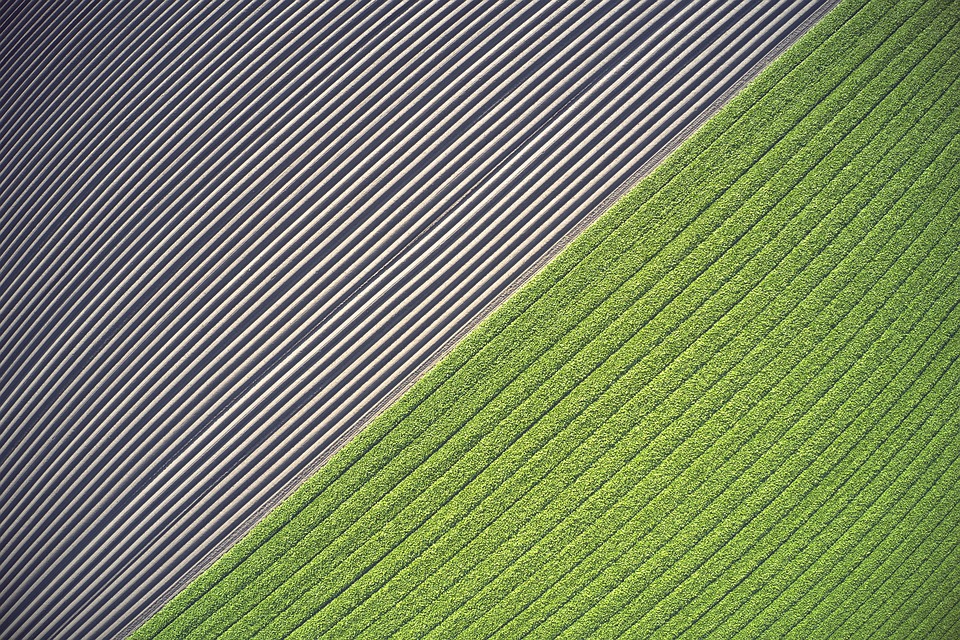
In the agricultural sector, drone cameras are transforming the way farmers monitor crops and detect issues. The ability to capture detailed aerial images and process them with specialized software allows farmers to spot plant stress, assess field conditions, and detect pests or diseases that may affect their yield. This technology has not only saved farmers time and effort but also reduced the need for pesticides and improved sustainability in the industry.
The evolution of drone cameras has also made a significant impact on search and rescue operations. Drones equipped with thermal imaging cameras can quickly locate missing persons or identify hotspots during natural disasters, providing valuable data to emergency response teams. These unmanned aerial vehicles can access hard-to-reach areas and provide real-time feedback, aiding in swift and more efficient search and rescue missions.
Looking ahead, the evolution of drone cameras shows no signs of slowing down. Technological advancements in areas such as artificial intelligence, image sensors, and battery life will continue to shape the future of these devices. As the demand for drone cameras grows across various industries, we can expect to see even more innovative and advanced features that further enhance their capabilities.
In conclusion, the journey of drone cameras from their early days to the present has been nothing short of remarkable. With their ability to capture stunning aerial footage, improve efficiency across industries, and revolutionize cinematography, drone cameras have proved to be a technological marvel. As we marvel at their current capabilities, we can only imagine the astonishing developments that lie ahead in the ever-evolving world of drone cameras.