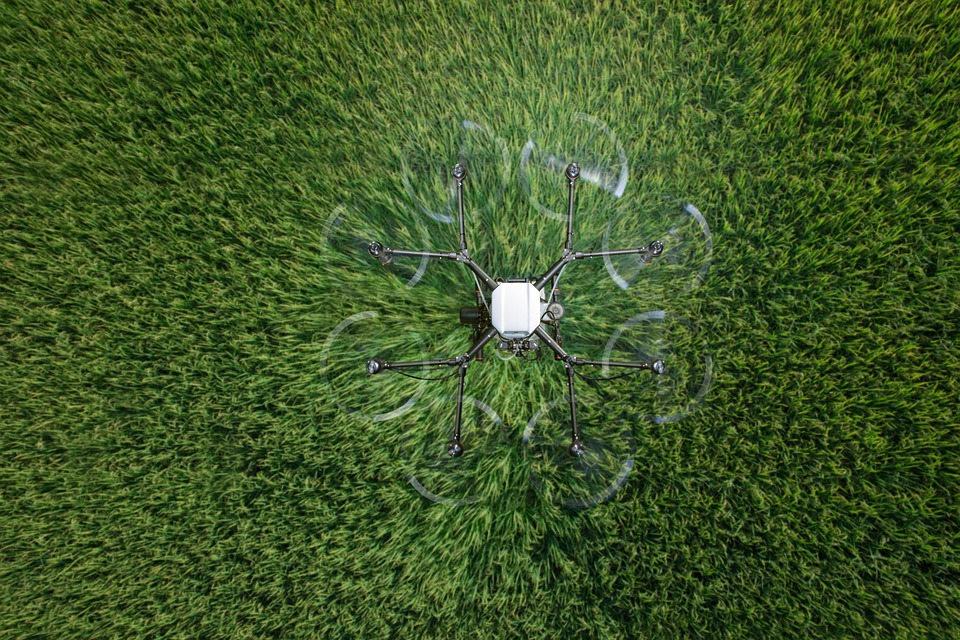
As technology continues to evolve, the modern battlefield is being shaped by the rise of the drone army. Unmanned aerial vehicles, or drones, are transforming how wars are fought, and how countries prepare for and protect against military threats.
Unmanned aerial vehicles have a range of capabilities, from surveillance and reconnaissance to weapons delivery. They can fly missions into areas too dangerous for traditional aircraft, like over enemy territory or into unknown areas. Through the use of advanced sensors, drones can monitor and identify enemy positions, gather intelligence, and provide real-time data to commanders on the ground.
Drones are also increasingly used in combat. Armed drones are used to launch missiles and bombs at targets, often without putting ground troops in danger. This has enabled countries to launch precise strikes from afar, with less risk of civilian casualties.
Drones have also changed the way countries defend themselves. Drones are able to detect and intercept incoming missiles and aircraft, making it easier for countries to protect their airspace. Drones can also gather data on enemy positions, allowing for better preparedness for potential attacks.
The rise of the drone army has had a profound effect on the modern battlefield. Drones have enabled countries to launch precise strikes from greater distances, and gather intelligence from unknown areas. They have also made it easier to protect against enemy threats, and gather data on enemy positions. As drones become more advanced, the modern battlefield will continue to be shaped by the rise of the drone army.