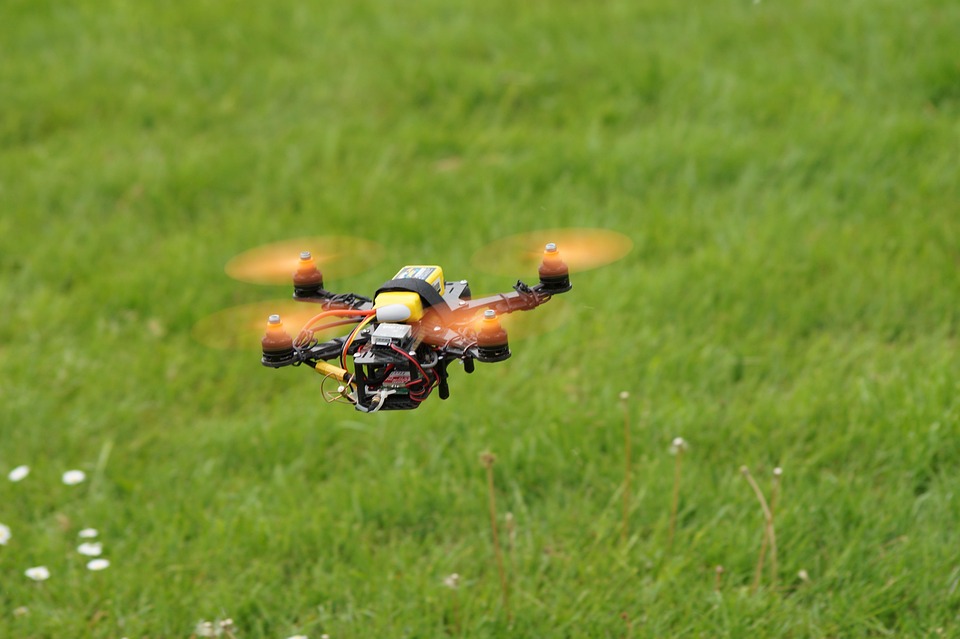
In recent years, drones have become an increasingly important tool in the arsenal of modern militaries. The use of unmanned aerial vehicles (UAVs) has revolutionized the way wars are fought, allowing for greater precision and flexibility in military operations. As drone technology continues to evolve, the impact of drone armies on modern warfare is likely to become even more pronounced.
One of the most significant impacts of drone technology is its ability to provide military forces with real-time intelligence and surveillance. UAVs are capable of providing up-to-date information on enemy movements, allowing commanders to make more informed decisions in the field. This can be invaluable in asymmetrical warfare, where traditional tactics may be less effective. Additionally, UAVs can be used to deliver weapons to their targets with greater accuracy than ever before, allowing for more precise strikes.
Another significant effect of drone armies on modern warfare is their ability to create tactical advantages that may not otherwise be achievable. For example, UAVs can be used to create a “scout” unit, where multiple drones are deployed to observe enemy positions and movements. This information can then be used to make informed decisions on where to deploy troops or fire weapons.
Finally, UAVs can be used to reduce the risks associated with ground troops. By using drones to take on certain tasks, such as reconnaissance or strikes on enemy positions, troops can be kept out of harm’s way. This can be especially beneficial in combat scenarios where there is a high risk of casualties.
The impact of drone armies on modern warfare is clear. UAVs are providing militaries with unprecedented levels of intelligence, precision, and tactical advantages. As drone technology continues to evolve, the role of drones in modern warfare is likely to become even more pronounced.