Unmanned Aerial Vehicles (UAVs), commonly known as drones, have rapidly become a popular technology in recent years, offering invaluable benefits in both commercial and military sectors. These unmanned aircraft have significant advantages over traditional manned aircraft, such as being less expensive to operate, easier to control and maintain, and most importantly, they can perform tasks without putting human lives at risk.
One of the benefits of UAVs is their versatility. They are increasingly being used in a wide range of applications such as surveying, mapping, agriculture, wildlife and forest management, disaster management, and search and rescue operations, to name just a few. In the oil and gas industry, drones can be used to inspect pipelines and oil rig platforms while in the construction industry, they can be used in site monitoring, building inspections, and measuring construction progress. Drones are also used for monitoring and tracking criminal activities, smuggling and border control, and even in warfare.
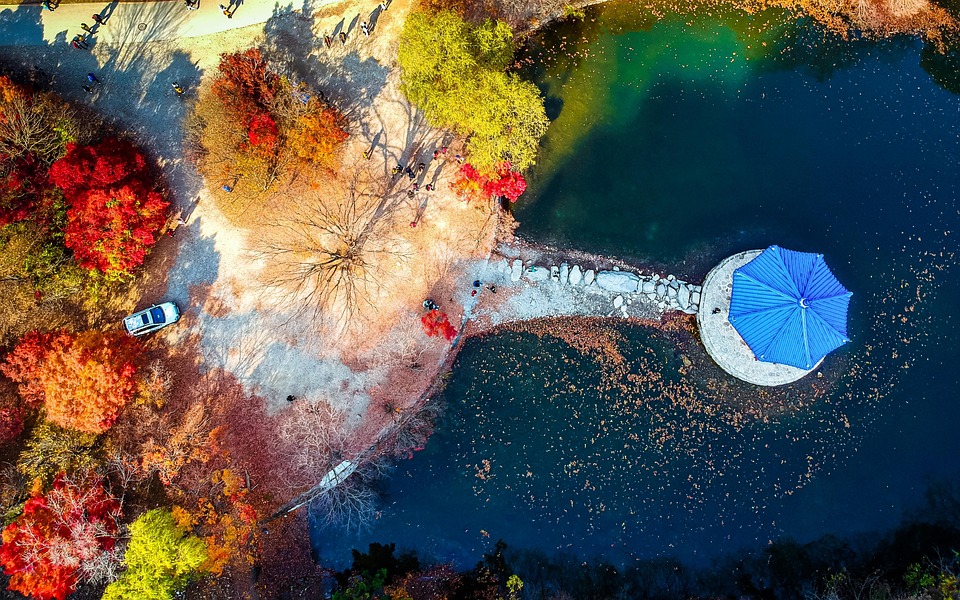
Another benefit of UAVs is their ability to gather high-resolution images or videos from the air. This aerial footage can be used for various purposes, including surveillance, or quickly assessing a situation such as a natural disaster like an earthquake or hurricane. Additionally, drone-enabled sensors and detectors can collect data on various metrics such as temperature, moisture levels, radioactive materials, and more. This helps to detect and curb environmental destruction or disasters.
Despite the advantages, UAVs also come with their own set of challenges. One significant challenge is their safety and reliability. Due to their small size and lightweight, even a slight malfunction or technical error can cause a potentially fatal accident. Besides, the drones can be affected by unpredictable weather conditions such as strong winds, lightning, and heavy rains, which pose safety concerns and limit their use in certain applications. There is also the issue of privacy, where the use of drones has raised concerns about sensitive personal data and airspace regulations.
Another challenge that UAVs face is the need for skilled and experienced operators. Piloting a drone is not as simple as one may think, and it requires adequate training and qualifications to ensure safe operation. Also, the operator needs to understand the laws, regulations, and safe practices surrounding drone usage, which are often stringent and vary depending on location and purpose. Otherwise, the use of drones without proper training and adherence to laws and guidelines can lead to negative consequences on people, animals, or property.
In conclusion, UAVs have revolutionized various industries and brought about several benefits over the years. They have shown to improve efficiency, reduce costs, and save lives significantly. However, despite their numerous benefits, drones face some challenges, including safety and reliability, privacy, and the need for skilled operators. Addressing these challenges is critical to ensuring the proper use and longevity of these valuable tools.